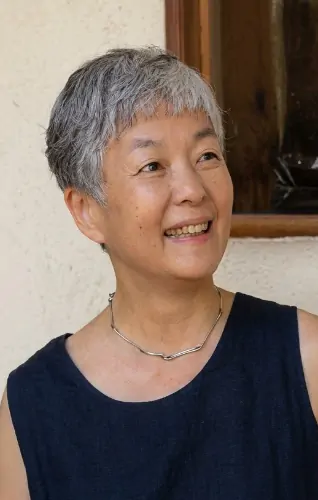
Susan Oyama is an American philosopher of science and developmental psychologist known for challenging the simple idea that genes alone “program” organisms. A professor emerita at Smith College, she became widely influential for arguing that development is a dynamic process in which genes, cells, environments, and histories all interact. Her landmark book The Ontogeny of Information helped spark the Developmental Systems Theory, a framework that treats biological traits not as prewritten instructions but as outcomes that emerge from complex systems over time.
Oyama’s work dismantles the old “nature versus nurture” debate by pointing out that development doesn’t keep score that way. Instead, she suggests something more like a symphony: genes provide motifs, environments add instruments, and the organism itself conducts the performance as it unfolds. By reframing heredity, information, and development, Oyama helped scientists and philosophers see living systems as collaborative productions rather than genetic blueprints—an idea that continues to ripple through biology, psychology, and philosophy today.